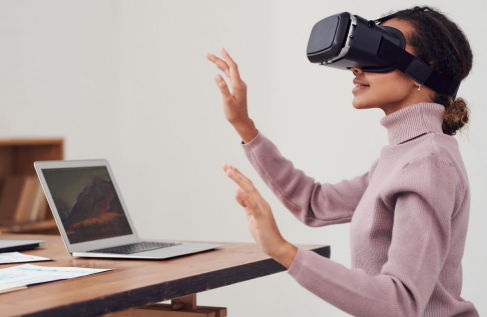
Mixed Reality blends real-time spatial awareness with digital fidelity, offering practical benefits without hype. Its value rests on disciplined evaluation, transparent metrics, and interoperable tools rather than opaque, centralized systems. Real deployments show gains in efficiency, fewer errors, and smoother onboarding when requirements are clear and ROI is measured. Yet the promise remains contingent on disciplined experimentation and scalable openness. The question is whether these conditions can be maintained as MR expands across contexts.
Mixed Reality: What It Is and Why It Matters
Mixed Reality (MR) blends physical and digital environments to produce immersive experiences that can be perceived as real-time, interactive interfaces.
The concept hinges on digital twin fidelity, rigorous spatial mapping, and the potential for continuous narration of environments.
Yet skepticism remains: benefits depend on data integrity, interoperability, and user autonomy, not spectacle, ensuring freedom from dependency on opaque, centralized systems.
Real-World Use Cases That Prove the Value
Real-world deployments of mixed reality demonstrate measurable value across industries, not merely novelty. The evidence rests on non research demonstrations and field deployment outcomes, which reveal efficiency gains, error reductions, and faster onboarding.
Skepticism persists: benefits are context-dependent, often incremental, and subject to integration costs. Freedom-oriented readers should demand transparent metrics and avoid overclaiming MR’s transformative potential.
How to Choose the Right MR Approach for You
Choosing the right MR approach requires a disciplined evaluation of goals, constraints, and return on investment. A methodical choice framework weighs outcomes against user requirements, not popularity. Analysts separate feasible from ideal by testing assumptions, cost, and interoperability. Skeptical assessment highlights trade-offs, fosters disciplined selectivity, and prevents overcommitment. Freedom-minded teams favor clarity, measurable criteria, and evidence-driven commitments over buzzworthy promises.
Getting Started: Tools, Platforms, and First Steps
A disciplined evaluation from the previous subtopic informs the practical entry point: identify the core MR requirements, then select tools and platforms that align with those needs while exposing trade-offs in interoperability and cost.
The approach favors augmented reality foundations and disciplined headsets integration, weighing developer ecosystems, device longevity, and data entrustment.
Freedom-seeking teams prioritize minimal friction, clear criteria, and scalable, skeptical experimentation.
See also: Mobile Gaming Evolution
Frequently Asked Questions
How Secure Is Data in Mixed Reality Experiences?
Data security in mixed reality remains cautiously uncertain, with vulnerabilities lingering in edge devices and cloud sync. The analysis notes data privacy concerns and inconsistent user authentication, urging robust, user-centric controls to preserve autonomy and resist pervasive surveillance.
Can MR Work Without an Internet Connection?
Yes, MR can function offline, though capabilities are reduced; offline capabilities depend on device storage and pre-downloaded assets. Skeptically, observers weigh battery life as a limiting factor, since rendering, tracking, and processing persist without cloud support.
What Are the Cost Considerations for Consumer Vs Enterprise MR?
Cost considerations for consumer versus enterprise MR hinge on device pricing, maintenance, and scalability. The analysis remains skeptical: consumer models trend cheap upfront but brittle; enterprise systems justify higher costs through service, security, and long-term ROI.
Do MR Devices Cause Eye Strain or Fatigue?
Eye strain and fatigue risk vary by device; display comfort, latency discomfort, and headset ergonomics influence outcomes, while headset weight and visual fatigue contribute cumulatively to eye strain and fatigue; skepticism and freedom-focused analysis emphasize adaptive use and long-term impact.
How Does MR Affect Collaboration Across Teams?
Grappling with new tools, MR enhances team communication by overlaying context and data; however, skepticism persists regarding cohesion, standardization, and fatigue. It assists remote work integration but may overwhelm or fragment collaboration across teams.
Conclusion
In summary, mixed reality offers a calibrated blend of perception and data, not a universal cure. The evidence favors disciplined experimentation, explicit ROI criteria, and interoperable tools over hype. While MR can reduce errors and accelerate onboarding, benefits hinge on well-defined requirements and rigorous evaluation. It is not magic, but a precise instrument—one that, when used with skepticism and clear metrics, can deliver measurable gains rather than glossy promises. MR remains a useful compass, not a guarantee.